
Three topics TDA treats as non-negotiable - and the reasons behind each
Texas does not simply ask applicators for five hours of anything. TDA singles out three subjects — laws and regulations, integrated pest management, and drift minimization — and requires that your annual CEUs include at least one credit of laws and regulations plus at least one credit of IPM or drift. Those three topics are where the compliance problems and the lawsuits come from. Here is what each one actually covers.
Laws and Regulations (Required Every Year)
This is the one credit you cannot substitute. A laws-and-regulations CEU covers the framework you operate inside:
- The split between federal authority (EPA and FIFRA) and state authority (the Texas Agriculture Code and TDA rules)
- Applicator categories, licensing, certification, and the CEU requirement itself
- Restricted-use pesticides and dealer records
- Application and use records — what you have to write down, and how long you have to keep it
- Why the label is the law, and what deviating from it exposes you to
- The Worker Protection Standard, storage, transport, and disposal
- Violations, enforcement, and penalties
Most enforcement actions against applicators are not exotic. They are recordkeeping gaps and label deviations — exactly what this credit covers.
Integrated Pest Management
IPM is the decision framework: treat because the pest pressure justifies it, not because it is the calendar date. A solid IPM credit walks through pest identification, monitoring and scouting, economic and action thresholds, and the full range of controls — cultural, biological, mechanical and physical, and chemical — before it gets to which product to spray.
The part with the longest tail is resistance management. Rotating modes of action is what keeps the chemistry you rely on working in five years. TDA cares about IPM partly for environmental reasons and partly because resistance is a slow-motion problem that only gets solved at the applicator level.
Drift Minimization
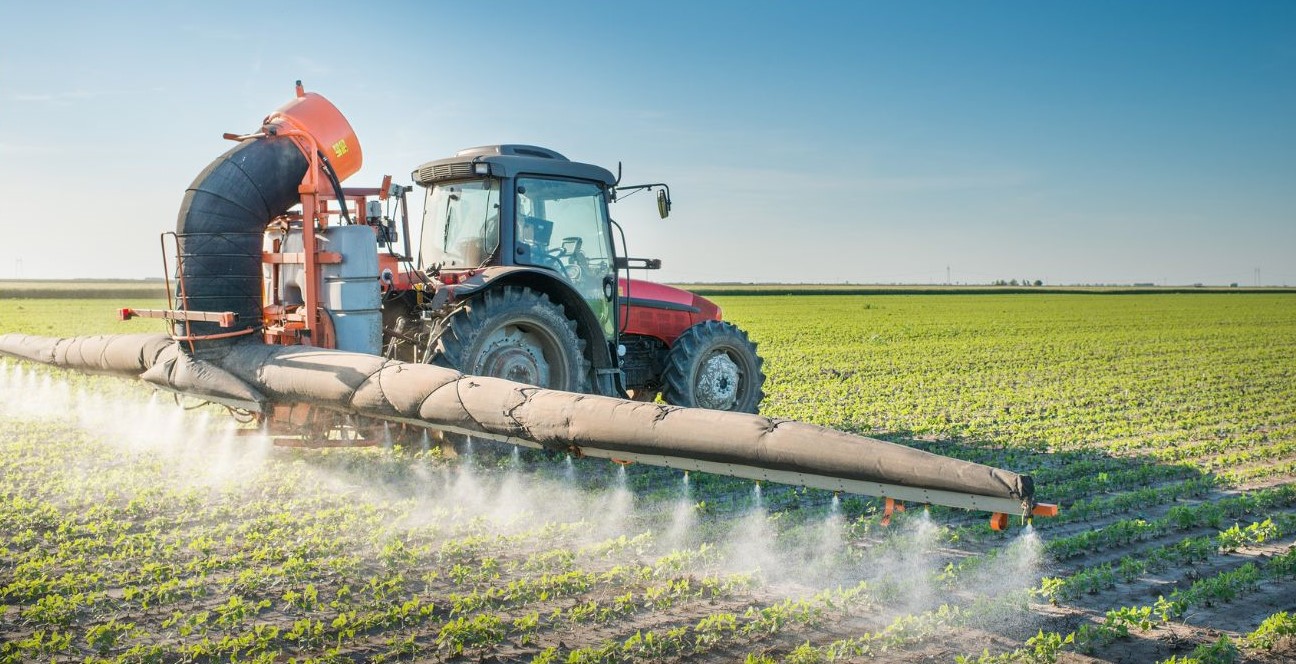
Drift is where applicator liability lives. A drift credit covers the mechanics of keeping product on target:
- Particle drift versus vapor drift — they have different causes and different fixes
- Droplet size, spray quality, and nozzle selection, including drift-reduction technology
- Weather, and especially temperature inversions, which move fine droplets a long way
- Boom height, pressure, and adjuvants
- Buffer zones and the drift language printed on the label
- Communicating with neighbors, documenting conditions, and responding to an incident
Sensitive-crop complaints in Texas are frequently a matter of one afternoon's weather judgment. The records you keep about wind speed, direction, and temperature at the time of application are the difference between a defensible application and an indefensible one.
Take All Three
The rule requires laws and regulations plus one of IPM or drift. There is no reason to stop there. All three are directly about the two things that end applicator careers: enforcement action and off-target damage. Our agricultural course (TDA #1000983) includes a full CEU in each of the three, plus calibration and pesticide safety, for all 5 annual credits in one place.
Get All 5 CEUs in One Course
Our TDA-approved agricultural applicator course covers all 5 of your annual CEUs, including laws and regulations, IPM, and drift minimization. Fifty short video lessons you can finish between jobs.
Enroll Now - $69.99TDA Client #00725934 | Course #1000983 | 5 CEUs | $69.99